
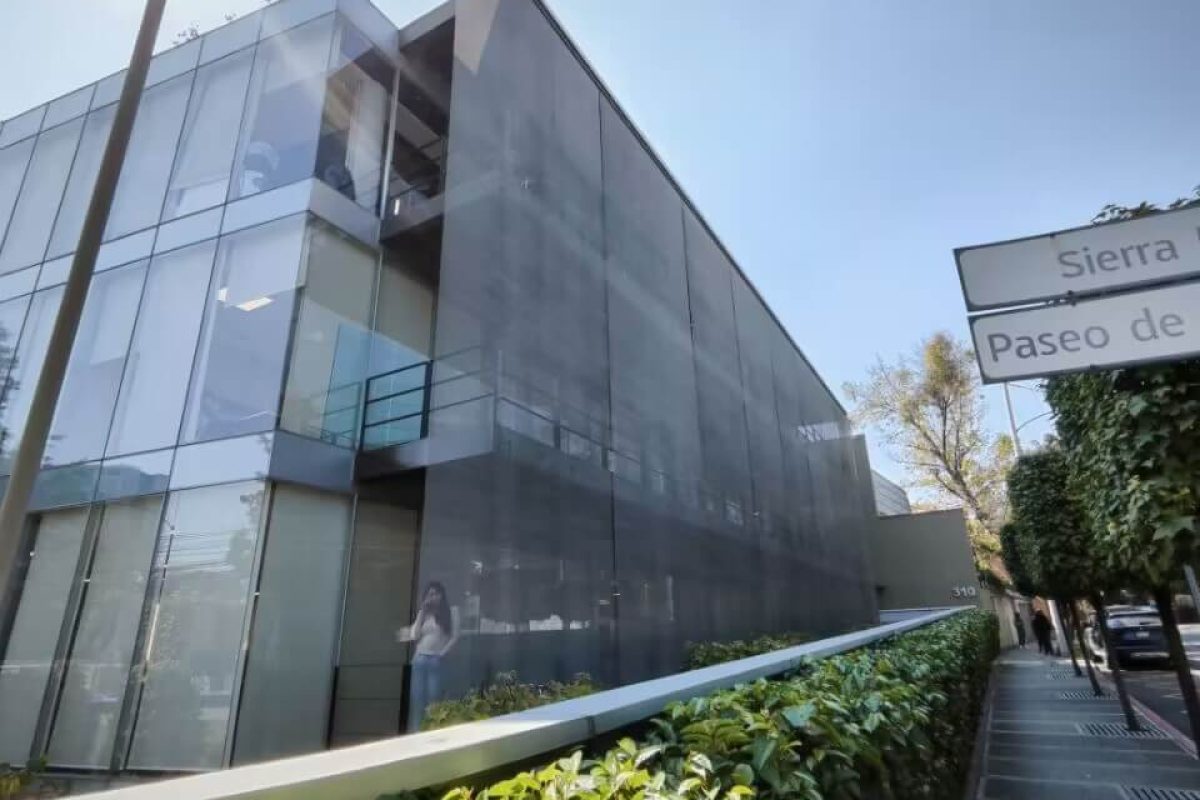
Metal decorative mesh has evolved from a purely functional building material into a defining element of contemporary architectural identity. As we progress through 2026, the specification of architectural wire mesh for both exterior facades and interior partitions is being reshaped by a desire for biophilic connection, digital precision, material lightness, emotional color, and hybrid performance. This article unpacks the four most influential trends driving design decisions this year, providing a practical reference for architects, interior designers, and project specifiers.
1. Copper-Toned Mesh: Vintage Decor with an Aged Patina
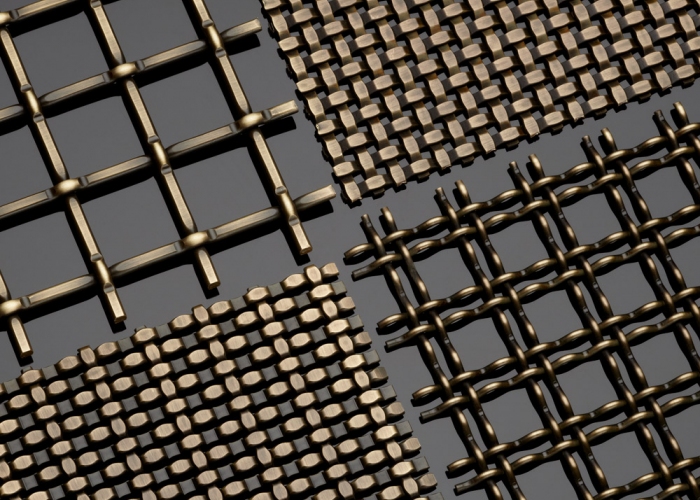
This trend covers both copper and copper-finish stainless steel, offering the same warm aesthetic with different budget and performance options.
Copper mesh is experiencing a strong resurgence, but not in its polished, shiny form. The dominant 2026 direction is the factory-controlled pre-patination of copper surfaces, creating an instant sense of history and organic evolution that aligns perfectly with biophilic design principles.
Texture: Random weaves, water-ripple embossing, and irregular etching produce artisanal, one-of-a-kind surfaces that mimic tree bark or geological strata.
Color: Smoky verdigris, deep bronze brown, and mottled antique greens are achieved through accelerated oxidation before delivery. Architects can now specify an exact patina stage, removing the unpredictability of natural weathering.
Application: High-end hotel lobby feature walls, luxury retail facades, and museum interior partitions. When softly backlit, these patinated copper screens radiate warmth and create an intimate, cave-like enclosure.
This trend treats the metal not as an inert surface but as a living medium that matures gracefully, satisfying a growing demand for materials with a narrative.
2. Versatile Stainless Steel: Precise Light and Shadow Control
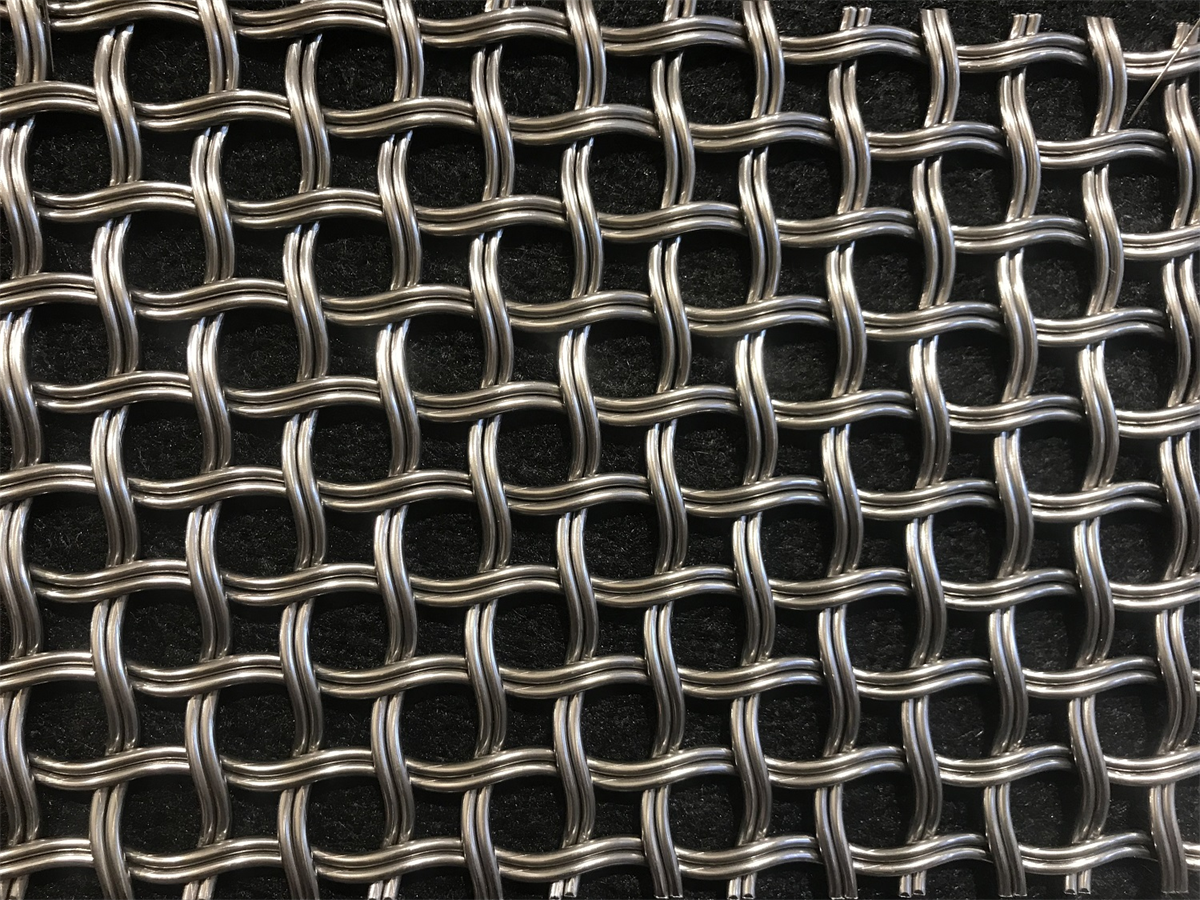
Stainless steel architectural mesh is being transformed by parametric design tools into a digitally calibrated device for managing daylight, views, and visual texture. In 2026, the mesh itself becomes a pixelated interface between inside and outside.
Texture: Three-dimensional weaves with graduated open-area ratios generate flowing wave patterns, stripes, or custom graphic motifs. Dutch weaves and reverse Dutch weaves enable precise transitions from transparent to opaque zones. Beyond weaves, custom patterns—round, square, or bespoke shapes—are equally in demand, allowing precise control over light, air, and sightlines.
Application: Technology headquarters requiring intelligent solar shading, airport concourse dividers, and sky lobbies in supertall towers. Such meshes can reduce solar heat gain by up to 70% while preserving excellent outward visibility.
By programming the mesh’s porosity digitally, architects can now treat sunlight as a design material shaped by the woven metal fabric.
3. Immersive Color Gradients on Interior Partition Mesh
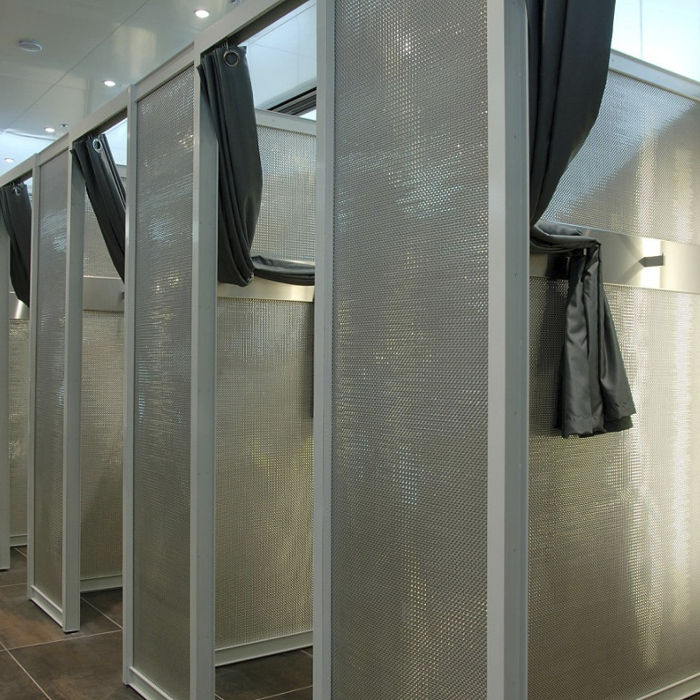
For branded interiors and experiential retail, 2026 sees metal mesh being used as a canvas for bold, emotive color transitions. The base mesh remains deliberately simple to let the gradient dominate the visual field.
Texture: Fine, uniform woven mesh or micro-perforated metal sheets with high open area. The clean surface ensures the gradient reads without interference from pattern noise.
Color: Robotic spray lines and precise electrophoretic coating enable full-panel fades — from coral to peach emulating a sunset, or deep ocean blue dissolving into glacial white. The technique guarantees seamless transitions and perfect batch-to-batch repeatability.
Application: Fitting room enclosures in flagship retail stores, flexible co-working space dividers, and immersive feature walls in entertainment venues. Color becomes both a wayfinding tool and a mood-defining element.
Here, decorative metal mesh moves beyond texture and into the realm of pure emotional storytelling.
4. Hybrid Materials and Functional Integration
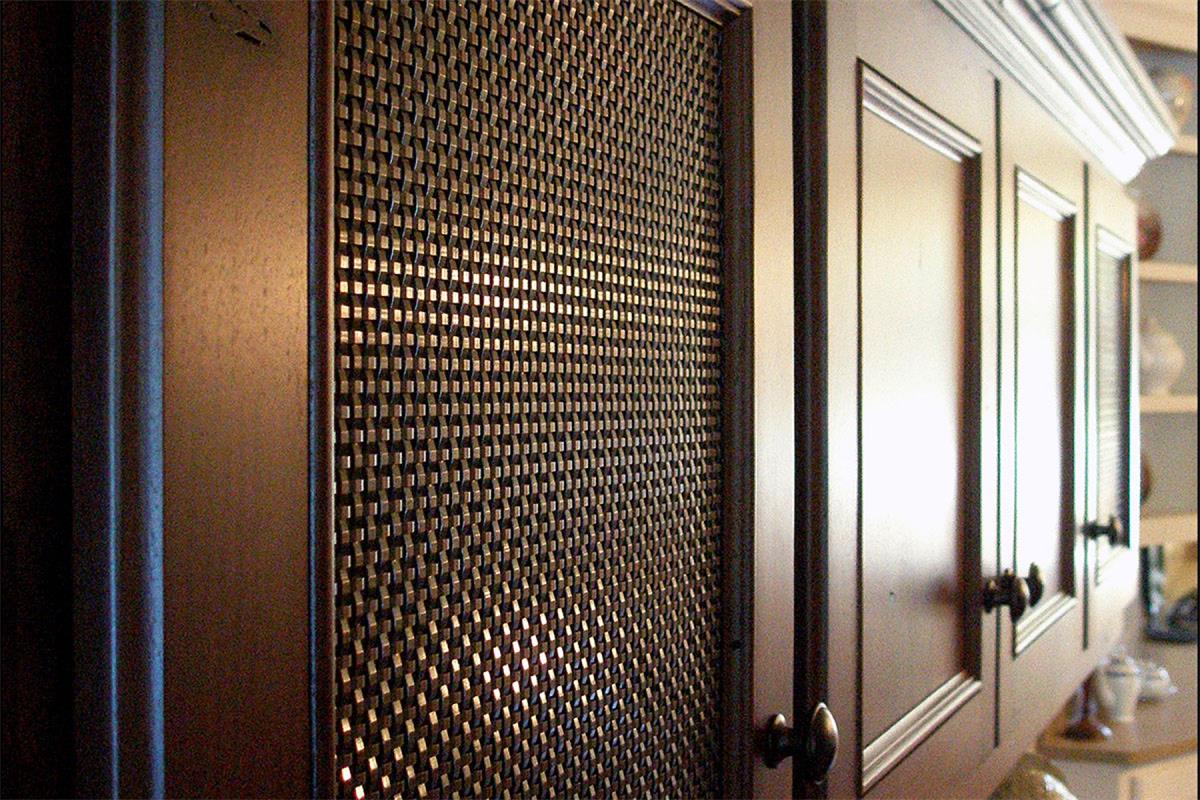
The most forward-looking projects in 2026 treat metal mesh not as an isolated product but as a component within a larger, multifunctional assembly. Decorative mesh now merges with wood, stone, resin, acoustic materials, lighting, and even vegetation.
Material Fusions: Stainless steel wires interlaced with solid oak slats. This combinations deliver a deliberate tactile contrast between cool metal and warm natural materials.
Integrated Functions: Acoustic felt backing converts the mesh into a high-NRC sound absorber for open-plan offices. Built-in planter pockets support climbing greenery, forming living partition walls. Illuminated mesh panels provide ambient lighting without visible fixtures.
Aesthetic: There is no single rule — the theme is intentional collision. Raw corten steel meets polished resin; brushed stainless steel partners reclaimed timber. The result is a curated, multi-sensory experience.
Application: Corporate lobbies requiring both visual impact and acoustic comfort, eco-resort reception areas, and next-generation retail environments.
This trend signals a shift from specifying a product to orchestrating a performance system.
FAQ: 2026 Metal Decorative Mesh Trends
Q: What are the most popular metal mesh styles for building facades in 2026?
A: Copper-toned metal mesh is highly favored for its heavy metallic look and durable earth-tone finishes, while stainless steel mesh is sought after for its ever-evolving forms. For outdoor environments, both styles remain the top recommendation.
Q: Can I get fully customized colors or patterns for my interior partition?
A: Yes. Custom colors are typically achieved through spray painting or plating, and we can match colors precisely according to your RAL color chart or physical sample. Custom patterns can be realized by loading your CAD drawings into our equipment. Sampling services are also available before mass production.
Q: What is the typical minimum order quantity for a custom architectural mesh project?
A: For standard styles, many suppliers only accept orders of 50 square meters or more. But at HIGHTOP, even orders under 10 square meters are acceptable, and we can provide dedicated small-batch sampling services for boutique architectural projects.
Q: How long does it take to receive a custom metal mesh sample?
A: Depending on complexity, the normal sampling lead time is 2 to 4 weeks. For time-sensitive projects, an express service can usually be arranged.
Conclusion
The 2026 trends show that metal decorative mesh has moved beyond its functional beginnings and evolved into a storytelling surface. Whether your project calls for the living patina of copper, the digital precision of parametric stainless steel, dramatic color gradients, or hybrid integrated systems, the core principle stays the same: align the texture, finish, and integration of the material with the spatial experience you want to create. To explore custom samples or discuss a small-batch trial order, contact the HIGHTOP design team today — we’ll help you translate these trends into your next standout project.
Please email us via the contact form below, we’ll get back to you as soon as possible.