
Trends in Decorative Metal Mesh in Interior Design in 2026
As interior design continues to evolve in response to changing lifestyles, technologies, and sustainability goals, decorative metal mesh is emerging as one of the most influential materials in 2026. No longer limited to industrial or purely functional applications, decorative metal mesh has become a design language in itself—valued for its visual depth, structural performance, and adaptability across diverse interior environments. In 2026, designers and architects are pushing the boundaries of how metal mesh can shape space, atmosphere, and user experience.
Decorative Metal Mesh as a Statement Material
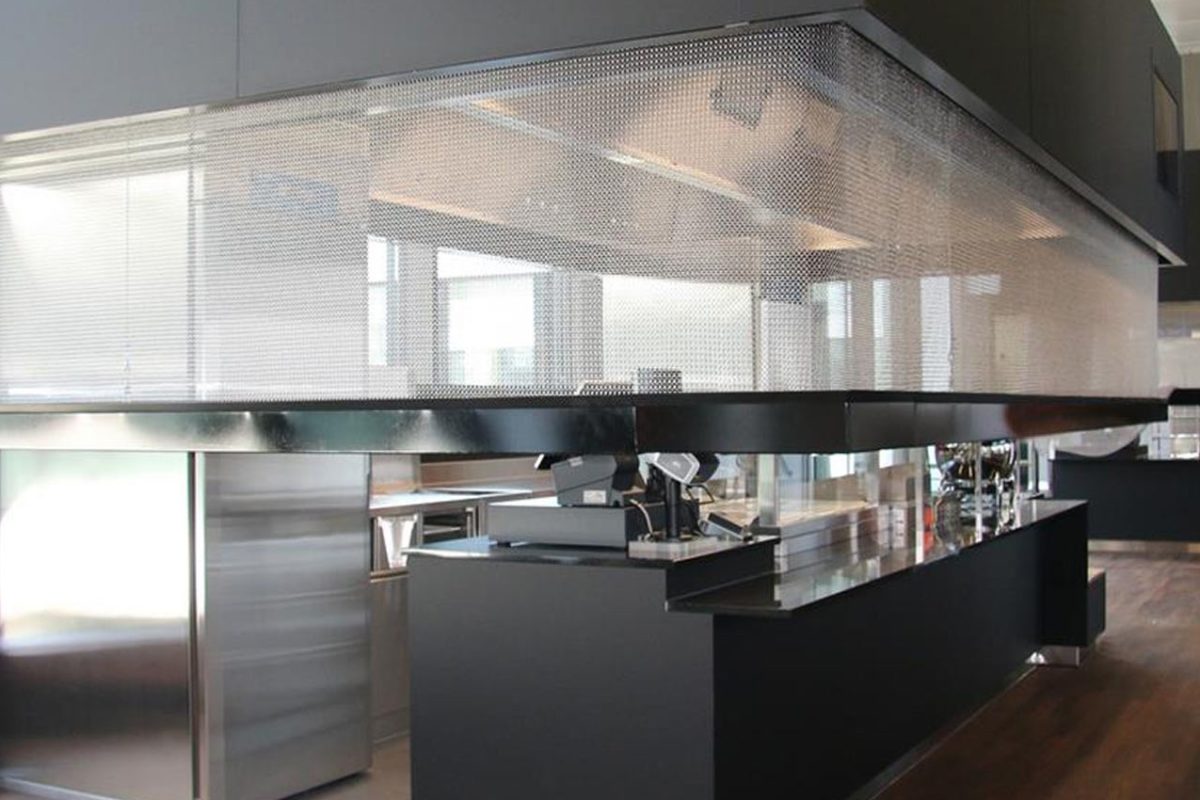
In 2026, decorative metal mesh is increasingly treated as a statement material rather than a background element. Designers are using large-format mesh panels, full-height partitions, and sculptural installations to create focal points within interiors. Whether in hotel lobbies, office atriums, or high-end retail spaces, metal mesh is being used to define brand identity and spatial character.
This shift is driven by the material’s ability to combine strength and lightness. Decorative metal mesh introduces a sense of structure without visual heaviness, allowing designers to create bold forms that still feel open and breathable. The interplay of light and shadow through the mesh adds movement and dynamism, enhancing the overall spatial experience.
Hyper-Customization and Parametric Design
Customization reaches a new level in 2026 with the widespread adoption of parametric and algorithm-driven design tools. Decorative metal mesh is now frequently designed using digital modeling software that allows precise control over pattern density, wire thickness, and geometry.
This trend enables designers to create site-specific mesh solutions that respond to acoustics, lighting, privacy, and circulation requirements. For example, mesh panels may be denser in areas requiring visual screening and more open where transparency is desired. The result is a highly tailored interior environment where decorative metal mesh is both aesthetic and performance-driven.
Expansion of Expanded Metal and Hybrid Mesh Structures
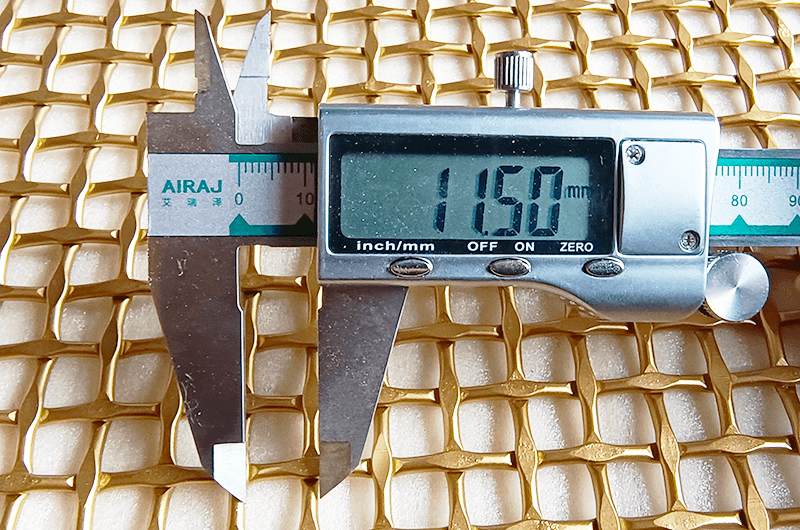
Expanded metal mesh continues to gain popularity in interior design, particularly in commercial and public spaces. In 2026, designers are experimenting with hybrid structures that combine expanded metal with woven or perforated mesh in a single installation.
These hybrid solutions allow for greater creative freedom and functional layering. Expanded metal provides rigidity and bold texture, while finer mesh layers soften the appearance and enhance visual comfort. Such combinations are increasingly used in stair enclosures, mezzanine railings, feature walls, and ceiling systems, offering a balance between robustness and refinement.
Refined Finishes and Tactile Surfaces
Surface treatment innovation is a defining trend in 2026. Decorative metal mesh is no longer judged solely by its pattern but also by its tactile and visual finish. Designers are favoring refined surfaces such as brushed, satin, micro-textured, and matte finishes that reduce glare and add sophistication.
Color palettes are expanding beyond traditional metallic tones. Soft neutrals, earthy hues, and muted industrial colors are becoming mainstream, achieved through advanced coating technologies like PVD titanium plating, ceramic coating, and eco-friendly powder coating. These finishes allow decorative metal mesh to integrate seamlessly with wood, stone, glass, and fabric elements in interior spaces.
Decorative Metal Mesh in Acoustic and Comfort Design
As comfort becomes a central concern in interior design, decorative metal mesh is increasingly used in acoustic applications. In 2026, mesh panels are commonly combined with acoustic backings or absorptive materials to improve sound control without compromising design intent.
This approach is particularly valuable in open-plan offices, coworking spaces, restaurants, and cultural venues where noise management is essential. Decorative metal mesh allows designers to conceal acoustic solutions within visually appealing structures, maintaining transparency and spatial flow while enhancing auditory comfort.
Sustainable Design and Circular Material Thinking
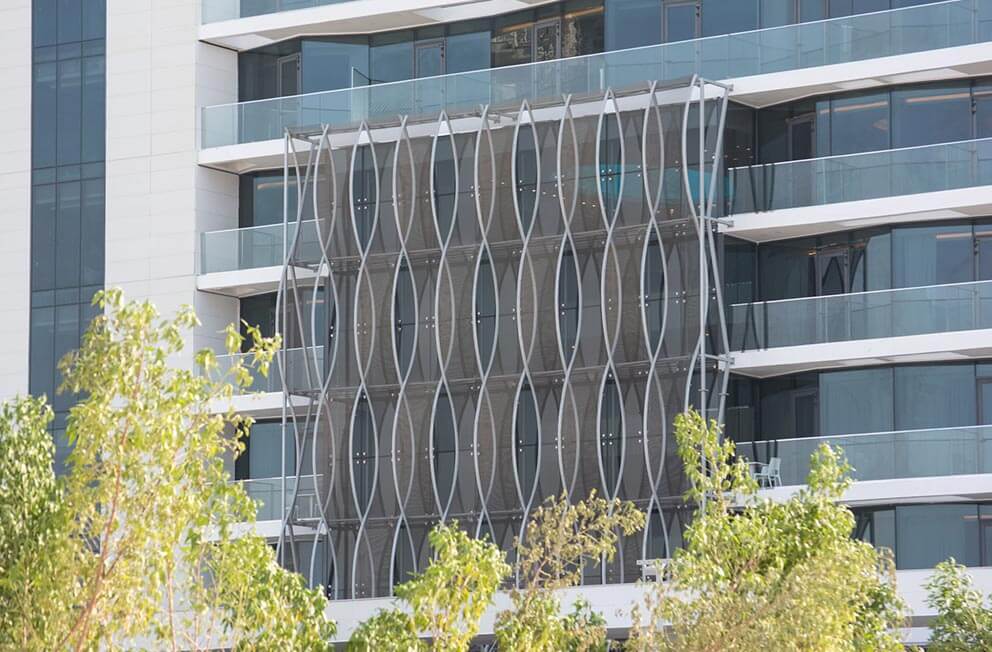
Sustainability remains a key driver in 2026, and decorative metal mesh aligns well with circular design principles. Metal mesh products are durable, reusable, and fully recyclable, making them an attractive option for long-term interior projects.
Designers are increasingly specifying mesh systems that can be disassembled and reconfigured, extending their lifecycle across multiple projects or layouts. Manufacturers are also focusing on low-waste production methods and environmentally friendly surface treatments, reinforcing decorative metal mesh as a responsible material choice for sustainable interiors.
Integration with Lighting and Smart Systems
In 2026, decorative metal mesh is frequently designed as part of integrated lighting and smart interior systems. Mesh panels are used as diffusers for LED lighting, creating soft, indirect illumination that enhances ambiance. When combined with dynamic lighting controls, metal mesh surfaces can transform throughout the day, adapting to different moods and functions.
Additionally, metal mesh is being used to discreetly house sensors, speakers, and ventilation components. This integration supports the growing demand for clean, uncluttered interiors where technology enhances functionality without dominating visual design.
Versatility Across Residential and Commercial Interiors
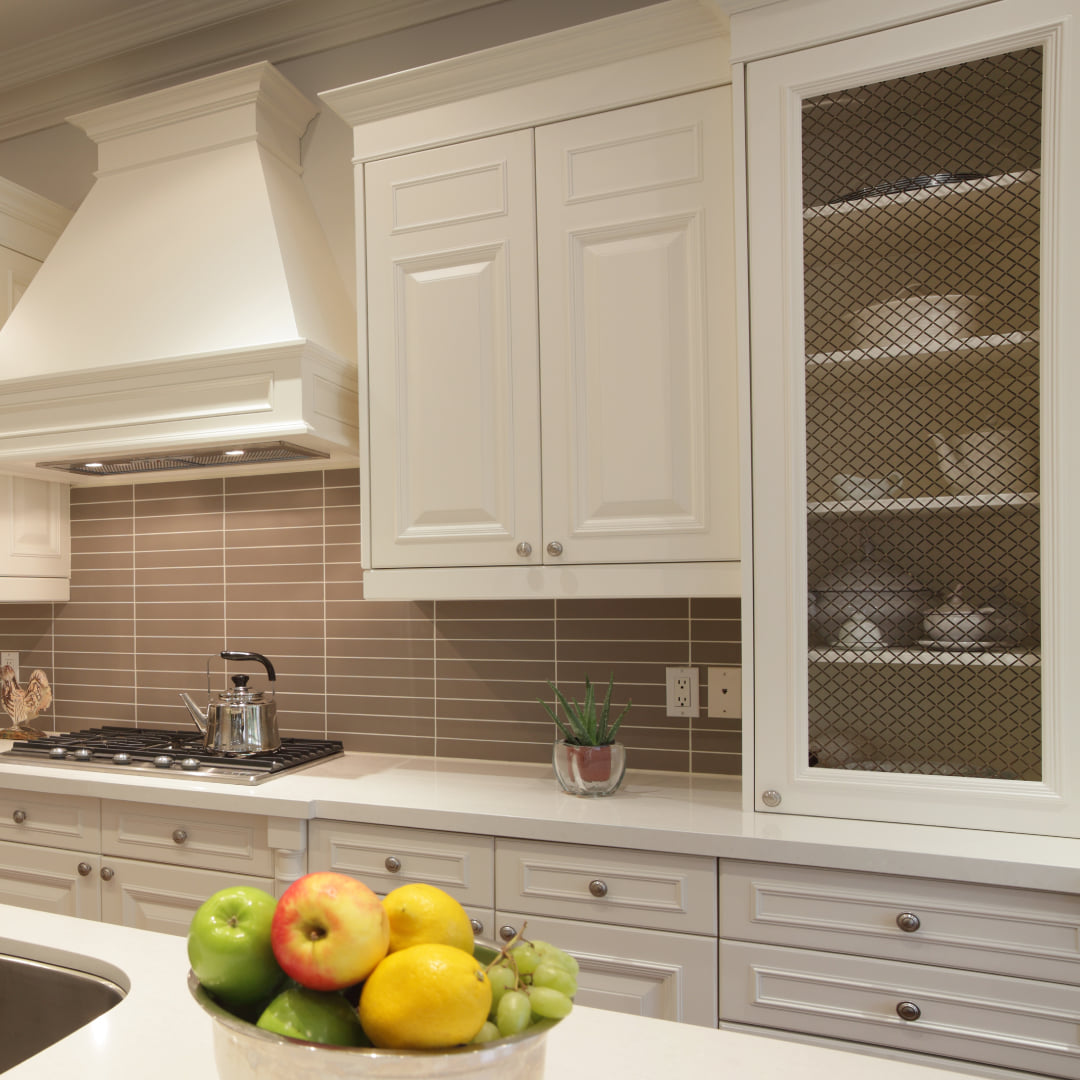
While decorative metal mesh has long been popular in commercial spaces, its adoption in residential interiors continues to grow in 2026. Designers are using fine mesh for stair railings, room dividers, wardrobe panels, and kitchen cabinetry to introduce texture and modern elegance into homes.
In commercial interiors, metal mesh remains a preferred solution for partitions, façades within buildings, display systems, and safety barriers. Its adaptability across scales and styles ensures that decorative metal mesh remains relevant in a wide range of design contexts, from minimalist apartments to large public buildings.
Focus on Quality, Safety, and Standards
As the use of decorative metal mesh expands, attention to quality and compliance is more important than ever. In 2026, designers and developers prioritize mesh products that meet strict standards for load-bearing capacity, fire performance, and safety.
High-quality manufacturing ensures consistent wire dimensions, stable structures, and reliable finishes—critical factors for long-term interior applications. This focus on performance reinforces decorative metal mesh as not only a design element but also a dependable building material.
Please email us via the contact form below, we’ll get back to you as soon as possible.