
What Should We Pay Attention to When Using Protective Mesh in Coastal Areas?
The installation of protective infrastructure in maritime and coastal zones is one of the most demanding challenges in modern civil engineering. Coastal regions are not merely “wet” environments; they are high-energy, chemically aggressive zones that require a multidisciplinary approach combining materials science, fluid dynamics, and marine biology.
When deploying protective nets—whether for rockfall mitigation, shark barriers, bridge safety, or erosion control—failure to account for the unique stressors of the sea leads to rapid structural degradation and high liability.
I. Materials Science: The Chemistry of Corrosion Resistance
In coastal air, the concentration of chloride ions ($Cl^-$) is significantly higher than inland. These ions penetrate the passive film of standard metals, leading to “pitting”—a localized, deep corrosion that can snap a high-tensile wire without warning.
1. The Superiority of 316L Stainless Steel
For permanent architectural and safety installations, Grade 316L (Low Carbon) Stainless Steel is the industry benchmark. Unlike Grade 304, 316L contains Molybdenum, which specifically defends against chloride-induced pitting.
-
Understanding the PREN Value: When evaluating materials, engineers use the Pitting Resistance Equivalent Number (PREN). For coastal applications within 5km of the shoreline, a PREN > 30 is mandatory.
$$PREN = \text{Cr}\% + 3.3(\text{Mo}\%) + 16(\text{N})\%$$ -
The “L” Advantage: The “Low Carbon” variant prevents “sensitization”—a process where chromium carbides precipitate during welding, leaving the mesh vulnerable to intergranular corrosion.
2. Advanced Alloy Coatings: Galfan and Zinc-Aluminum-Magnesium
For large-scale civil projects like slope stabilization where stainless steel may be cost-prohibitive, specialized coatings are utilized.
-
Galfan (95% Zn, 5% Al): This eutectic alloy provides a sacrificial protection layer that is significantly more ductile and corrosion-resistant than standard hot-dip galvanizing.
-
Self-Healing Properties: If the mesh is scratched during installation, the aluminum and magnesium in the coating migrate to the scratch, forming a dense, stable oxide layer that “heals” the wound and prevents the spread of rust.
3. Polymer Composites and Wind Dynamics
In hurricane or typhoon-prone regions, the weight of the mesh is less important than its wind permeability. High-strength polyester fiber nets and UV-stabilized polymer meshes are becoming the preferred choice for anti-glare screens and light debris protection.
-
Ventilation Rates: These materials can achieve a 99% ventilation rate, allowing massive wind loads to pass through the structure rather than pushing against it. This prevents the “sail effect” that often tears metal fences off their foundations during storms.
II. Engineering Mechanics: Stability in a Dynamic Environment
A coastal mesh is a “living” structure that must respond to the constant movement of the Atlantic, Pacific, or Mediterranean tides.
1. The Physics of Anchoring
Traditional inland anchoring fails in coastal sands and saturated silts.
-
Spiral Steel Piles: These are screwed deep into the seabed or shoreline to resist the “uplift” forces caused by tidal buoyancy.
-
Gravity Anchors: For underwater nets (like bathing beach protection), massive concrete blocks or “deadman” anchors are used. The weight of the anchor must exceed the maximum calculated buoyancy of the net system during a storm surge by a factor of at least 1.5.
2. Coping with Wave Energy and “Softness over Rigidity”
Rigid structures often fail because they attempt to block the ocean’s energy entirely. Effective coastal mesh design employs dynamic tensioning:
-
Buoyancy Buffers: By using a combination of top-floaters and bottom-weighted lines, the mesh can “inhale and exhale” with the waves. This flexibility dissipates kinetic energy, preventing the mesh wires from reaching their fatigue limit.
-
Tidal Verticality: In areas with high tidal ranges (e.g., the Bay of Fundy or parts of the UK), the mesh must be designed with sliding rings or telescopic poles to ensure it covers the water column regardless of the sea level.
3. High Tensile Grid Structures
For ports or drainage outlets, the mesh must stop large floating debris or even small watercraft.
-
Welded vs. Woven: Heavy-duty welded grids offer higher structural rigidity, while woven twill structures offer better impact absorption. For coastal safety, a tensile strength of 600 MPa to 1,200 MPa is typically required to ensure the mesh doesn’t deform under the weight of accumulated kelp or debris.
III. Maintenance: The “Whole Life Cycle” Approach
In the marine industry, “set it and forget it” is a recipe for disaster. Salt, sun, and bio-growth work 24/7 to degrade the installation.
1. The Inspection Protocol
-
Quarterly Audits: Visual checks for “tea staining” (early-stage oxidation) and mechanical wear at connection points.
-
Post-Event Inspections: Any storm exceeding Beaufort Scale 8 requires an immediate “integrity check” of the anchoring system and wire tension.
2. Managing Bio-Fouling
Bio-fouling (the growth of barnacles, mussels, and seaweed) is a hidden killer of coastal mesh.
-
The Weight Burden: A single square meter of mesh can triple in weight within six months due to biological growth. This adds immense “dead load” to the cables.
-
Cleaning Strategies: High-pressure water jetting or mechanical scrubbing must be scheduled bi-annually. Failure to clean the mesh increases the drag coefficient ($C_d$), making the structure more likely to collapse during high-current events.
IV. Ecological Responsibility: Protecting the Blue Economy
Modern engineering is no longer just about human safety; it is about “Bio-Friendly” infrastructure.
1. Preventing “Ghost Fishing”
Abandoned or damaged metal and plastic nets can become “ghost nets,” trapping fish, turtles, and marine mammals indefinitely.
-
Biodegradable Innovations: Research into PHB (Polyhydroxybutyrate) polymers allows for the creation of temporary protective nets that dissolve harmlessly if lost at sea.
2. Acoustic and Visual Deterrents
To prevent accidental entanglement of protected species (like the Vaquita or Sea Turtles), “Smart Nets” are being deployed:
-
Pingers: Small acoustic devices attached to the mesh that emit a sound frequency audible to dolphins and whales, warning them to steer clear.
-
LED Illumination: Low-power green LED lights have been shown to significantly reduce sea turtle bycatch in coastal netting without affecting the net’s primary protective function.
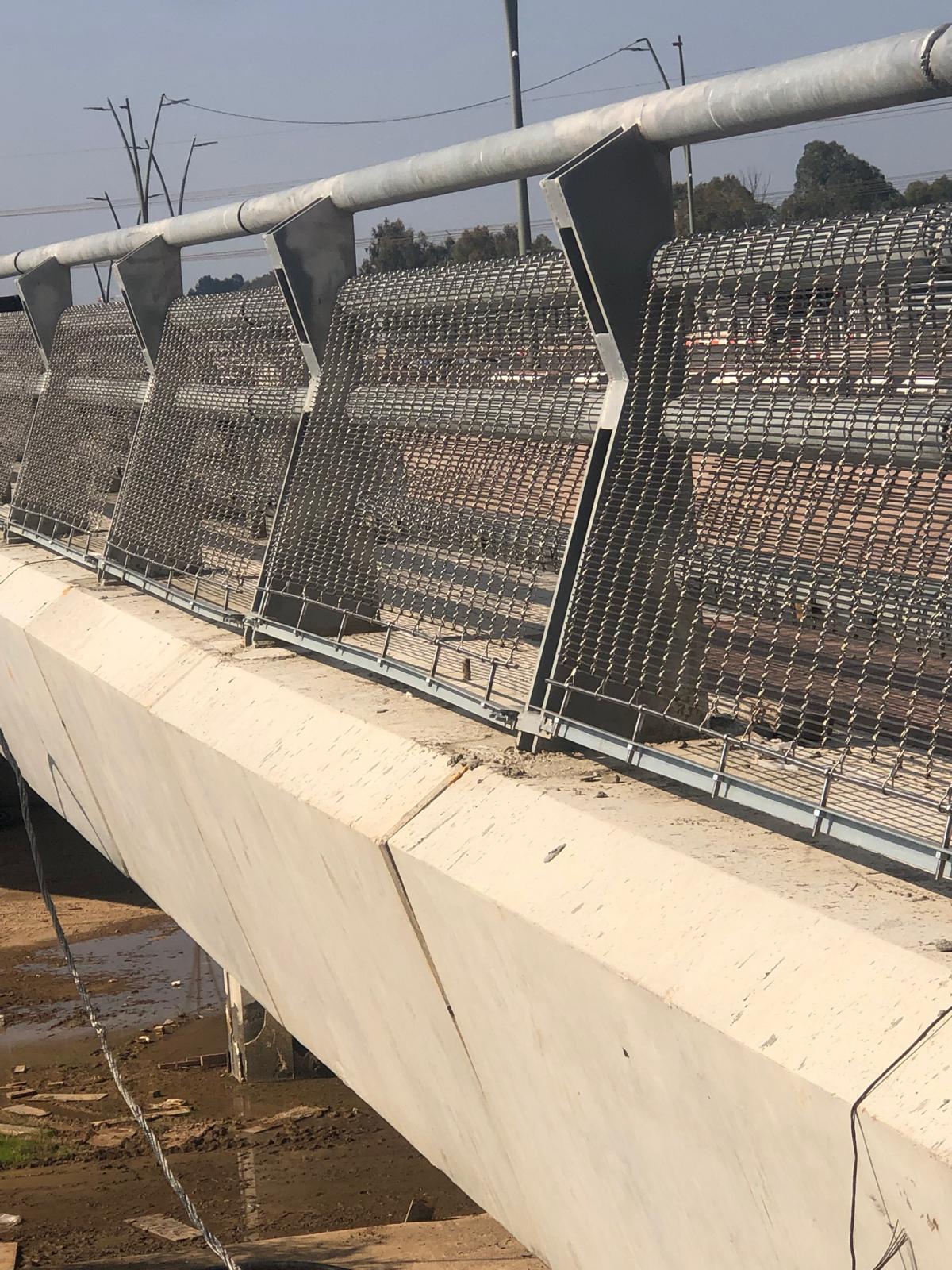
Case Study: Bridge Protection in the Eastern Mediterranean
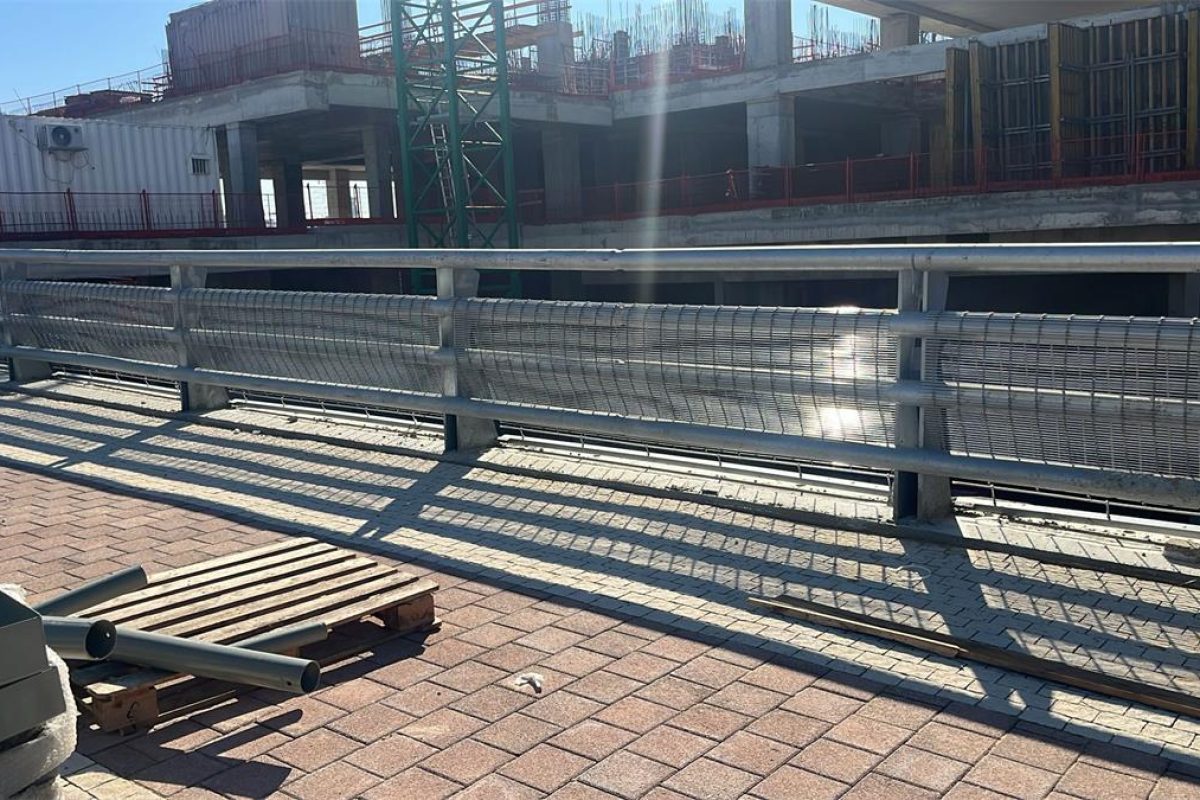
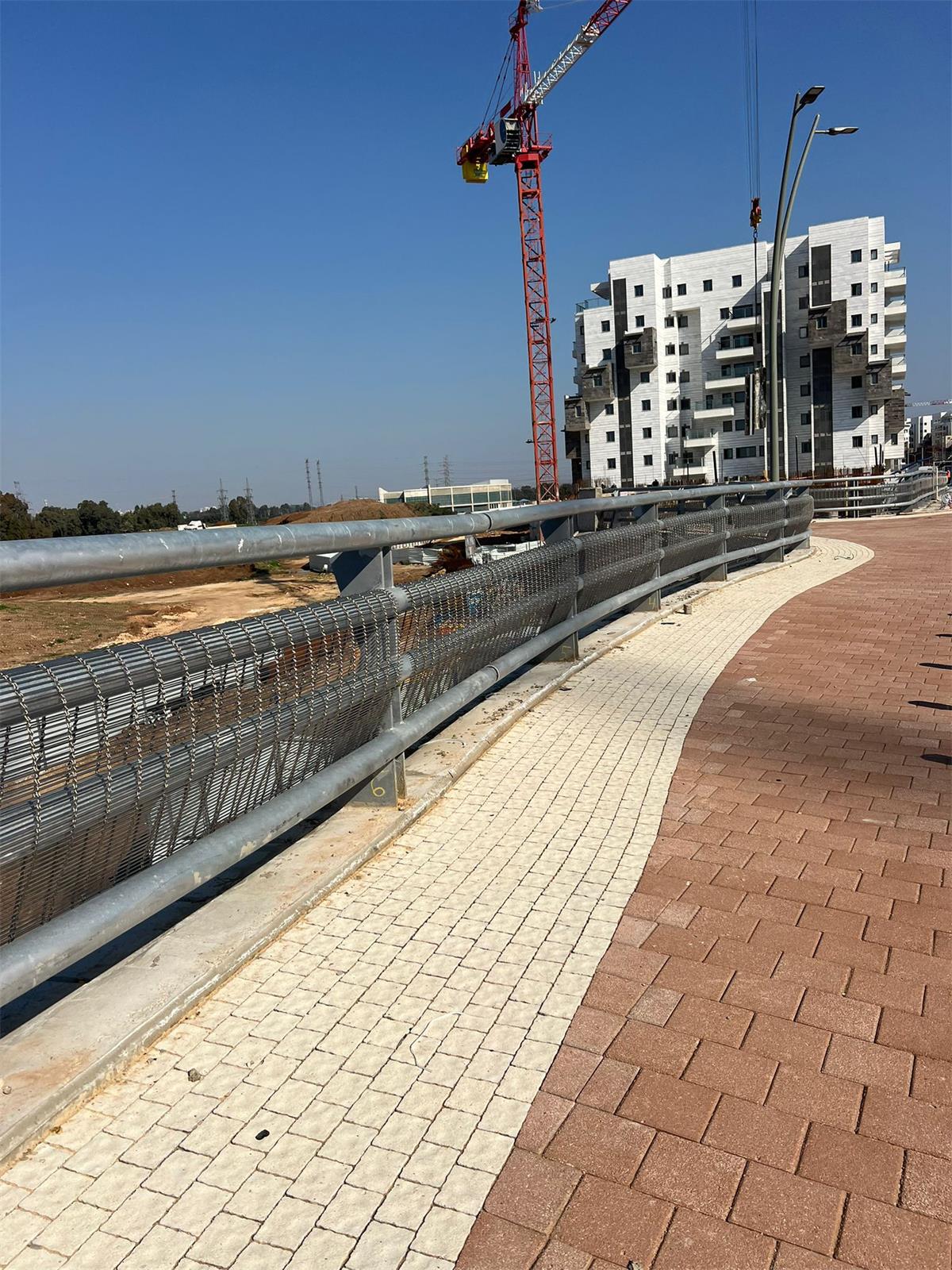
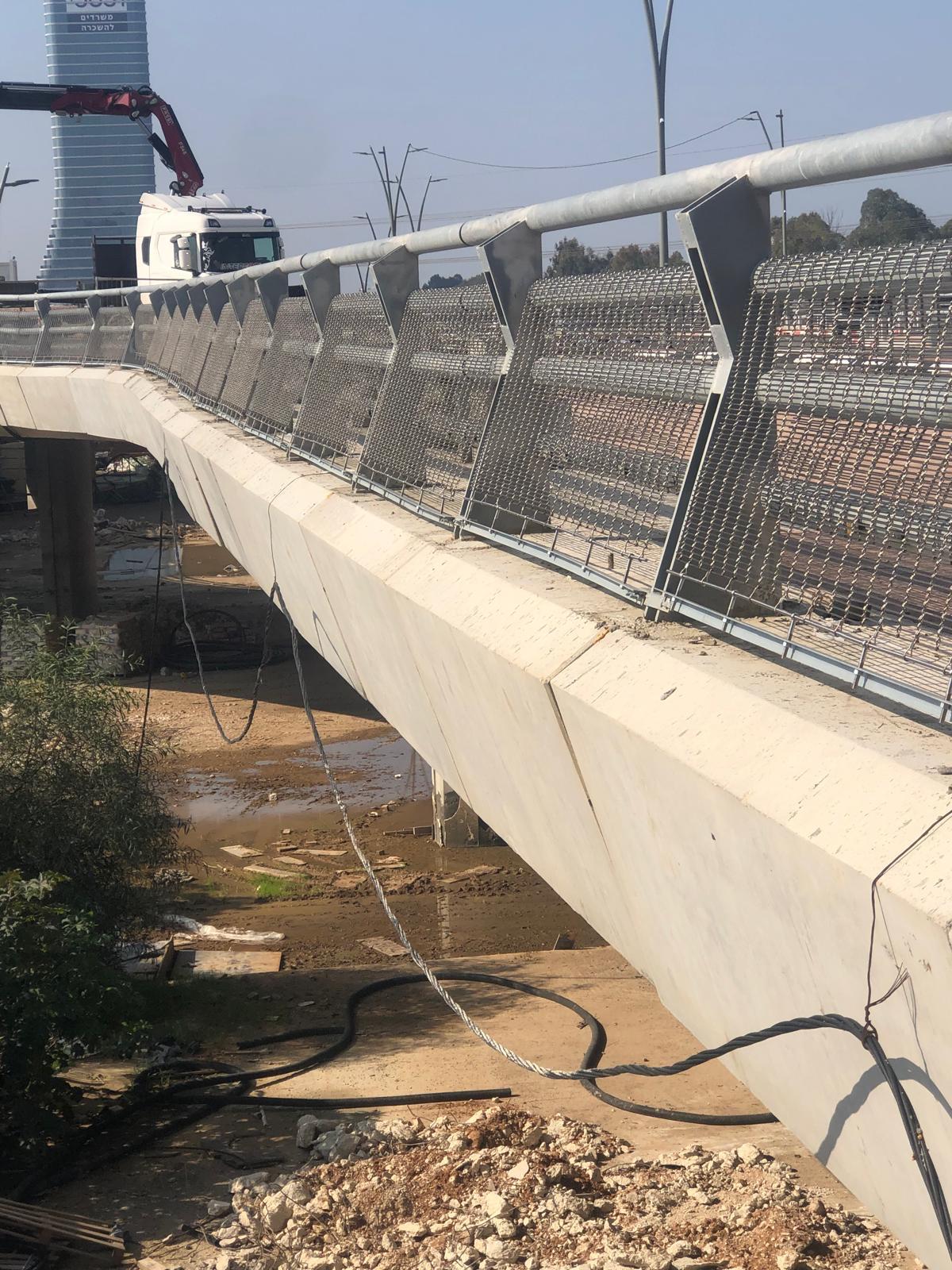
HIGHTOP recently completed a bespoke protection project for a coastal bridge in Israel.
-
The Challenge: The bridge deck was situated less than 10 meters above the high-tide line, exposing it to constant salt-saturated mist and 100km/h winds.
-
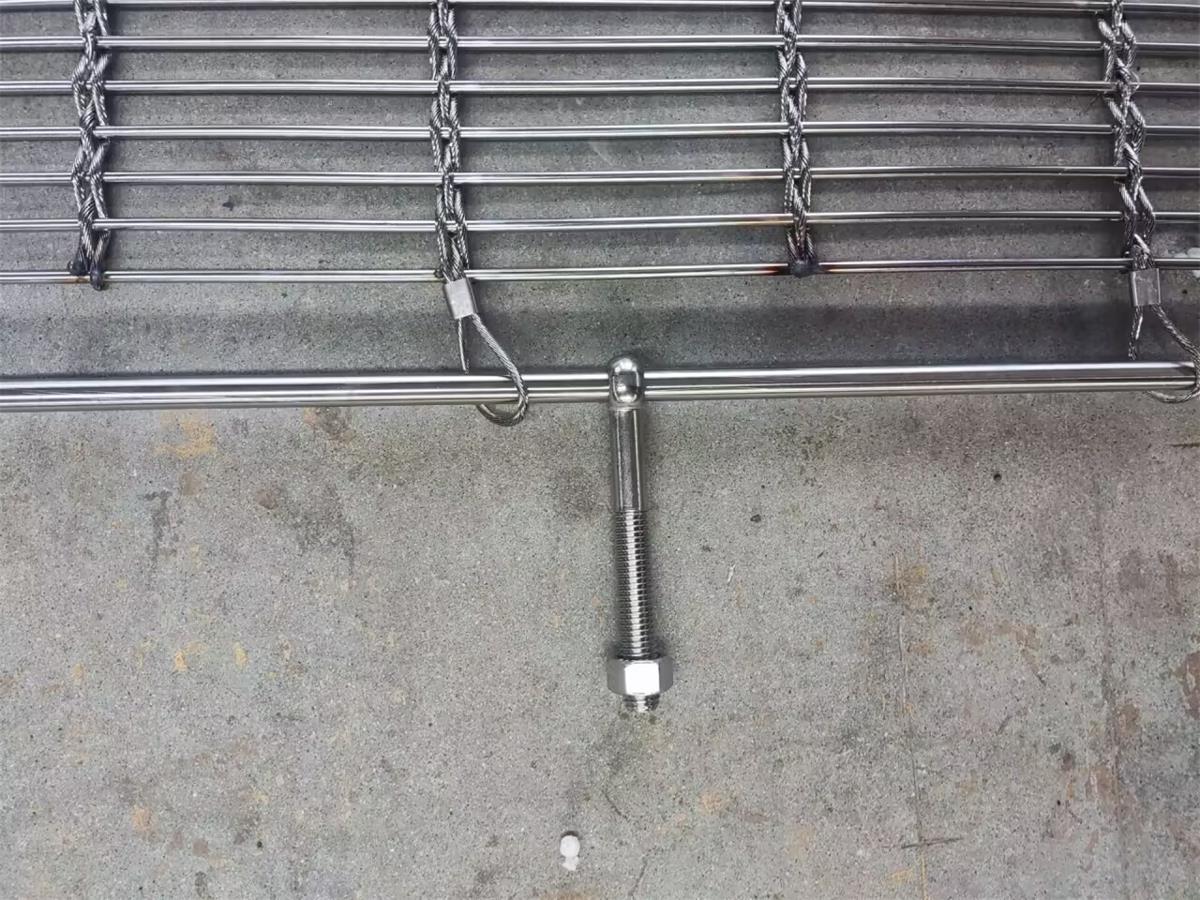
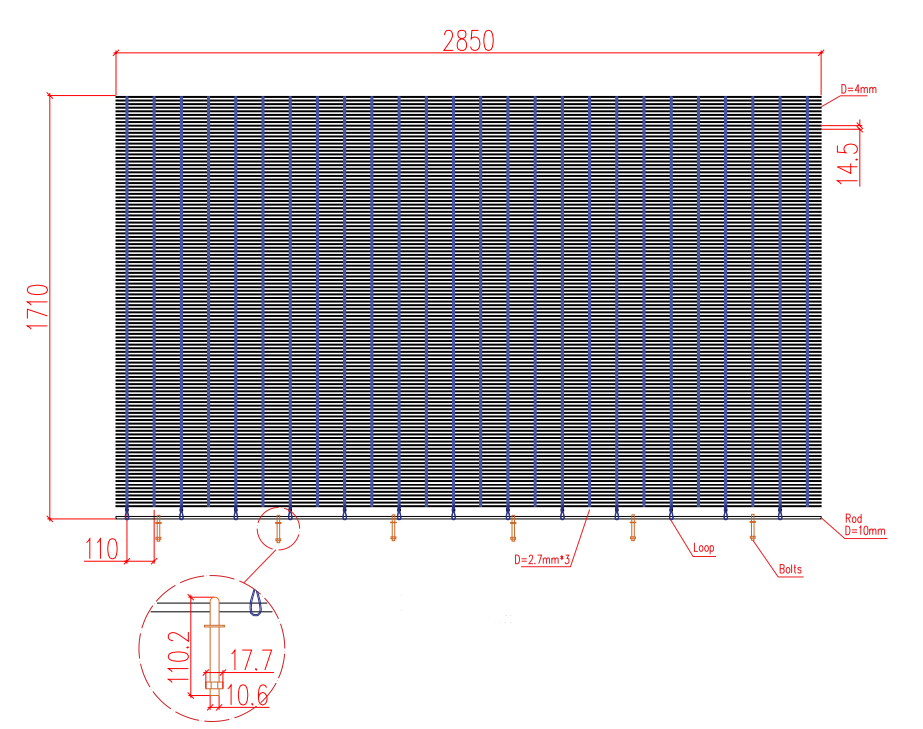
The Solution: We utilized 316L Stainless Steel Wire Rope Mesh. Unlike rigid fencing, the rope mesh provided the necessary “give” to handle wind gusts while maintaining a breaking strength capable of stopping a vehicle.
-
Optimization: The mesh was treated with an electro-polishing process to further smooth the surface, making it even harder for salt crystals and organic matter to adhere.
Conclusion: Designing for the Next 50 Years
Coastal protective mesh is an investment in safety and infrastructure longevity. By selecting 316L stainless steel, calculating dynamic tidal loads, and committing to bi-annual maintenance, stakeholders can ensure their installations survive the rigors of the sea.
How HIGHTOP Can Assist Your Project
At HIGHTOP, we don’t just sell mesh; we provide engineered solutions. Whether you are securing a luxury seaside resort, a municipal bridge, or a sensitive marine habitat, our team offers:
-
Custom Material Analysis: Helping you choose between Galfan, 316L, or Polymer based on your local PREN requirements.
-
Load Calculations: Engineering the mesh to withstand specific regional wind and wave data.
-
Global Logistics: Standard-compliant components delivered ready for rapid on-site assembly.
Please email us via the contact form below, we’ll get back to you as soon as possible.