
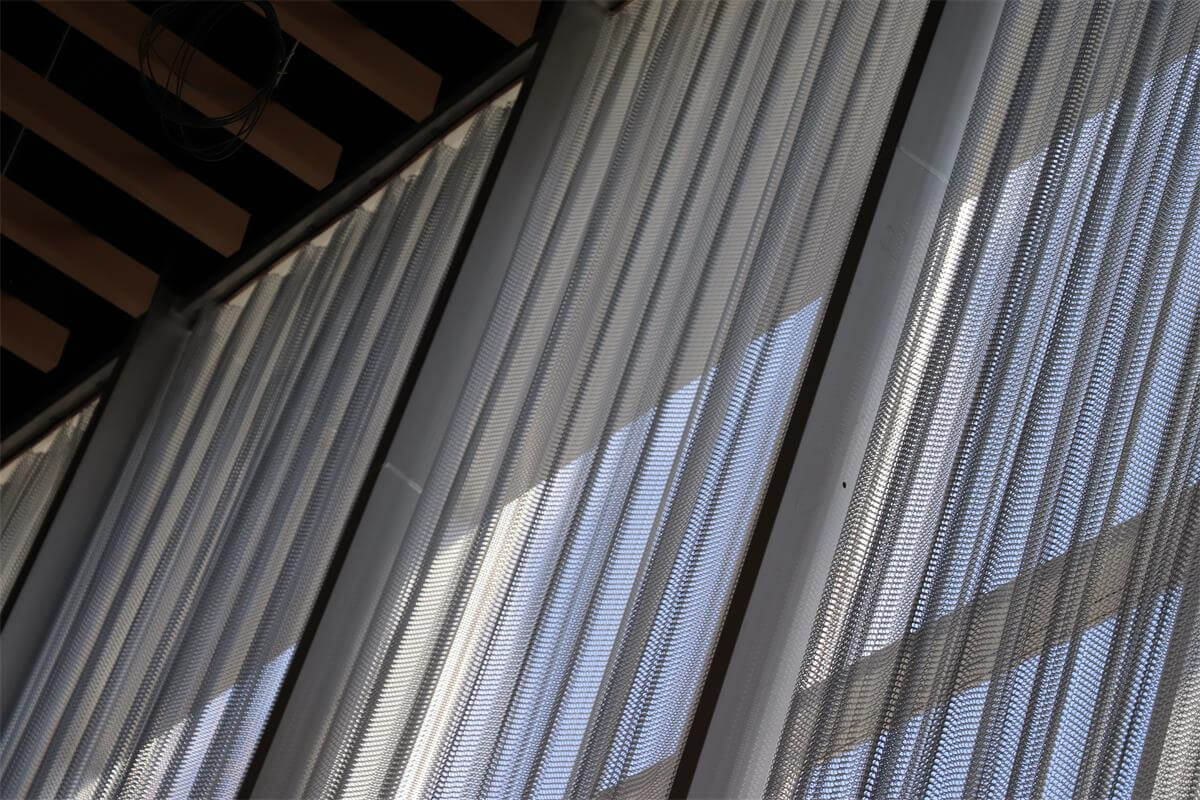
In contemporary architectural and interior design, metal materials are no longer used solely for structure or protection. Increasingly, architects and designers seek materials that combine aesthetic expression, functional performance, and design flexibility. Among the many architectural metal solutions available today, architectural cascade coil drapery—also known as metal coil curtain—stands out when compared with more traditional options such as perforated metal and expanded metal.
Understanding the differences between these materials helps project owners, architects, and contractors select the most suitable solution for their design and functional goals.
What Is Architectural Cascade Coil Drapery?
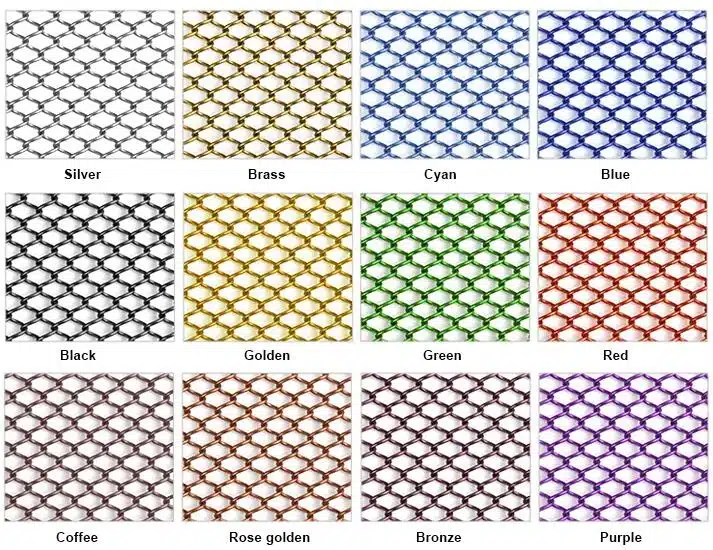
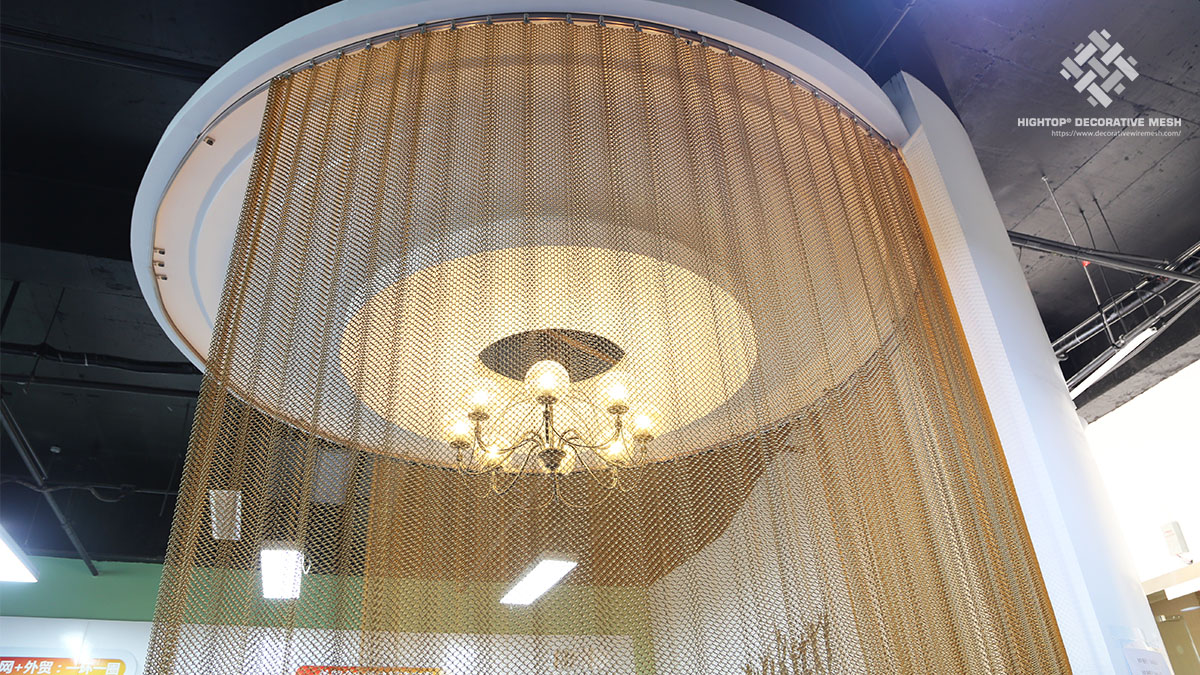
Cascade coil drapery is made from stainless steel wire or aluminum alloy wire, formed into continuous interlinked coils. The surface can be electropolished, electrophoresed, anodized, painted, or spray coated, allowing it to be finished in a wide range of colors and textures. This flexibility makes it highly adaptable to different architectural styles, from modern minimalism to luxury and artistic spaces.
Because of its flowing structure, metal coil drapery behaves more like a textile curtain than a rigid metal panel, offering designers a unique balance between metal strength and soft visual movement.
Key Advantages Over Perforated Metal
1. Greater Design Flexibility
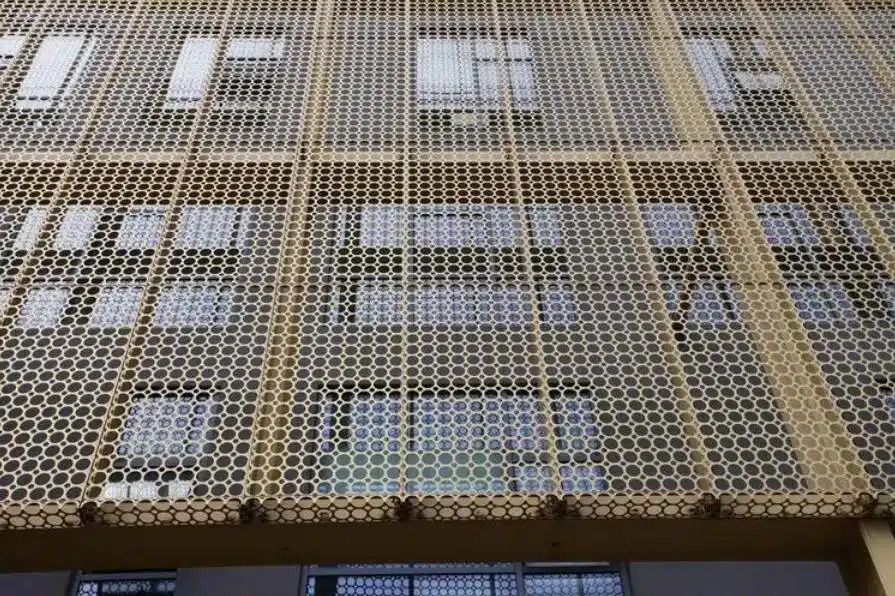
Perforated metal panels are rigid, flat sheets with fixed hole patterns. While suitable for façades and screens, they lack flexibility in form. Cascade coil drapery, by contrast, can flow, curve, gather, or hang freely, allowing it to be shaped into waves, folds, or layered effects.
This makes metal coil curtains especially attractive for:
-
Interior curtains and partitions
-
Atriums and lobby decorations
-
Ceiling features in hotels and concert halls
2. Softer Visual Impact
Perforated metal often presents a strong industrial appearance. Cascade coil drapery creates a softer, more elegant visual effect, making spaces feel open, dynamic, and comfortable rather than heavy or enclosed.
3. Easier Customization of Color and Finish
Although perforated metal can be painted or coated, cascade coil drapery offers more uniform and decorative surface treatments, especially with anodized aluminum or electropolished stainless steel. This allows precise color matching for branding or architectural themes.
Key Advantages Over Expanded Metal
1. Enhanced Aesthetic Appeal
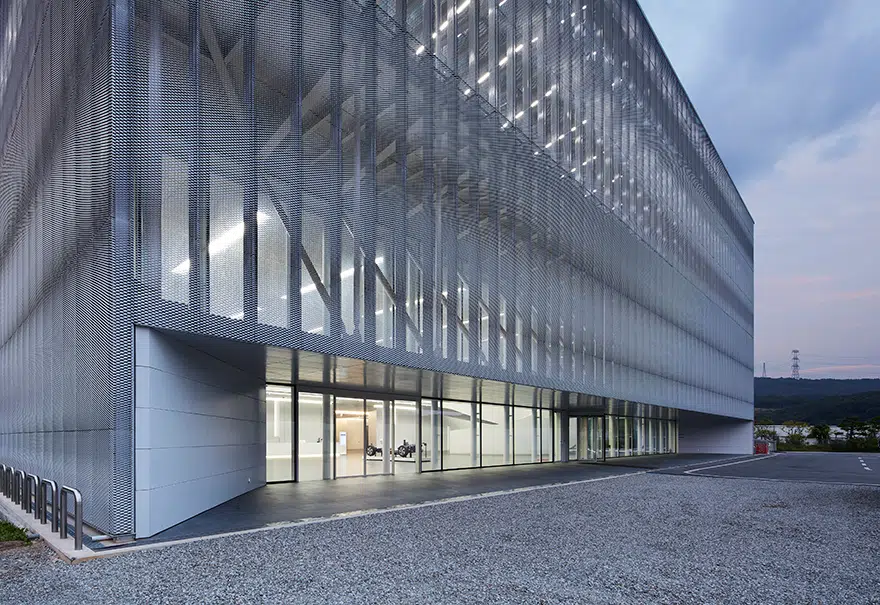
Expanded metal mesh is known for its strength and rigidity, but its diamond-shaped openings create a more utilitarian look. Cascade coil drapery delivers a luxurious and decorative appearance, making it more suitable for high-end architectural and interior applications.
2. Improved Safety and Comfort
Expanded metal can have sharp edges and a rigid structure, requiring additional finishing for interior use. Metal coil drapery has smooth, rounded connections, making it safer for spaces where people are in close contact, such as restaurants, hotels, and public venues.
3. Superior Visual Movement
Expanded metal remains static once installed. Cascade coil drapery responds to light, airflow, and perspective, creating dynamic visual movement that enhances spatial depth and atmosphere.
Functional Advantages Across Applications
Compared to both perforated metal and expanded metal, cascade coil drapery offers several functional benefits:
-
Excellent airflow and light transmission without blocking views
-
Outstanding rust and corrosion resistance, especially with stainless steel or anodized aluminum
-
Simple installation systems, typically using tracks or suspension rods
-
Low maintenance requirements, with easy cleaning and long service life
Because of these advantages, metal coil drapery is widely used for:
-
Interior curtains and space dividers
-
Hotel lobbies, halls, and ceiling decorations
-
Restaurants and commercial interiors
-
Exterior window cladding and wall coverings
-
Fireplace mesh screens and bathroom shower curtains
Choosing the Right Material for Your Project
While perforated metal and expanded metal remain excellent choices for structural screens, façades, and heavy-duty applications, cascade coil drapery is the preferred solution when decoration, flexibility, and visual experience are priorities. It bridges the gap between architecture and interior design, offering metal durability with textile-like elegance.
Why Choose HIGHTOP Decorative Wire Mesh?
HIGHTOP Wire Mesh is a professional manufacturer of decorative wire mesh, including high-quality architectural cascade coil drapery. With factory-direct production, HIGHTOP offers:
Stainless steel and aluminum alloy coil drapery
Multiple surface treatments and custom colors
Precise manufacturing and consistent quality
Custom sizes and project-based solutions
Reliable supply for international architectural projects
Whether for interior decoration or exterior architectural applications, HIGHTOP decorative wire mesh provides designers and contractors with dependable, visually striking solutions.
Please email us via the contact form below, we’ll get back to you as soon as possible.