
Applications and Advantages of Architectural Woven Drapery
In modern architectural design, the integration of beauty, durability, and functionality is increasingly prioritized. Among the many materials available to architects and designers, Architectural Woven Drapery has emerged as a standout choice for its aesthetic appeal, adaptability, and structural performance. Unlike traditional curtains or rigid decorative materials, this metal-based system transforms the way light, space, and design interact within both exterior and interior environments.
Product Overview
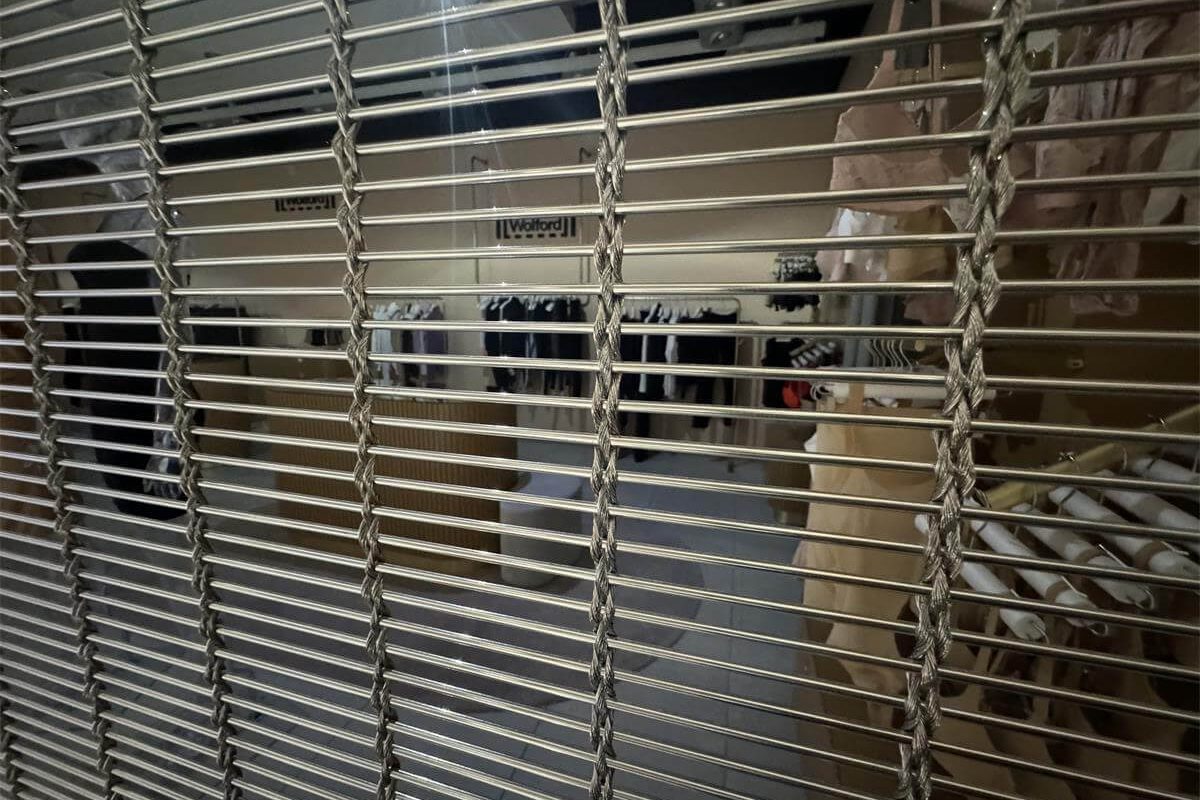
Architectural woven drapery is crafted from high-quality metals such as stainless steel, copper, aluminum alloys, or mild steel using precision weaving techniques. It offers a semi-rigid or flexible curtain-like form that functions as both a decorative and structural solution. The material can be produced in a wide variety of weaves—diamond mesh, chain link, or artistic patterns—each designed to achieve specific visual and functional goals. With porosity levels ranging from 10% to more than 70%, it can control light, ventilation, and shading, making it an adaptable choice for a range of architectural needs.
Surface finishes such as electroplating, anodizing, or painting allow for limitless color options, further expanding its design versatility. Moreover, installation systems can be adapted for vertical suspension, horizontal tension, or ceiling applications, giving architects and builders complete freedom in project execution.
Core Advantages
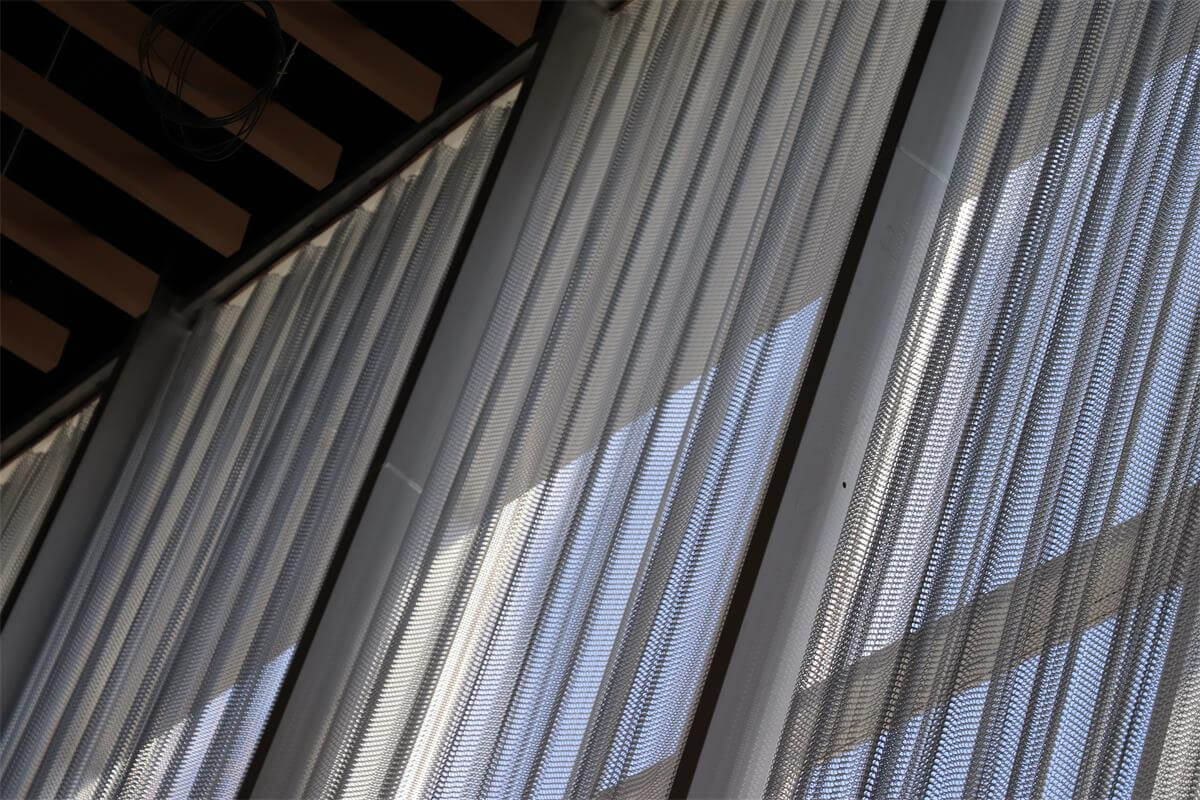
One of the most significant advantages of Architectural Woven Drapery is its aesthetic dynamism. As light interacts with the woven surface, it creates a shifting interplay of transparency, reflection, and shadow, offering a striking modern effect. This transforms otherwise static structures into visually engaging elements.
Beyond beauty, the material offers:
-
Transparency with Openness: It divides spaces while preserving natural light and visual continuity.
-
Functional Versatility: Provides sunshade, ventilation, sound absorption, and even pedestrian flow guidance.
-
Durability and Low Maintenance: Resistant to fire, UV rays, mildew, and fading, requiring minimal upkeep.
-
Sustainability: Fully recyclable and energy-efficient, as it reduces cooling loads by blocking excess heat gain.
However, a few considerations should be noted. The initial material and customization costs are higher than conventional decorative solutions. Additionally, professional design and installation expertise are required to maximize structural safety and performance, especially in large-scale exterior curtain wall applications.
Key Applications
1. Building Facade Curtain Walls
For large public structures like stadiums, airports, or commercial centers, Architectural Woven Drapery offers an energy-efficient, decorative rainscreen cladding solution. It reduces solar heat gain, lowers cooling costs, and creates a dynamic building appearance. Unlike glass facades that cause glare and heat buildup, or heavy stone claddings that lack transparency, woven drapery strikes the perfect balance between beauty and function.
2. Interior Partitions and Ceilings
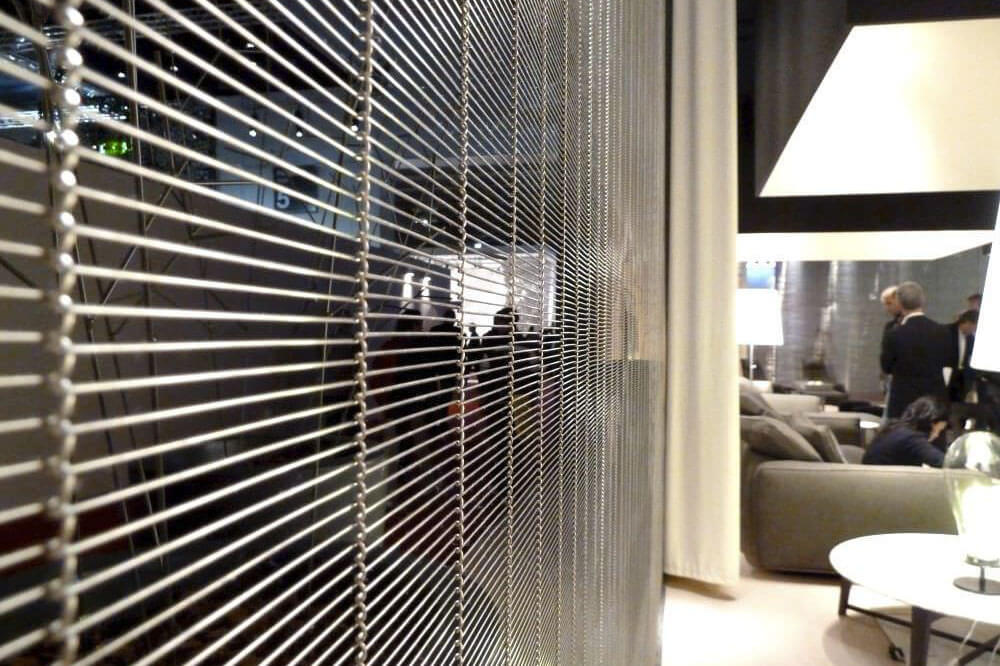
Within office buildings, museums, and shopping malls, woven drapery serves as a flexible interior partition or ceiling system. It visually divides spaces without making them feel closed or cramped. As a ceiling element, it conceals structural systems while maintaining airflow and light penetration. Compared to plasterboard or glass partitions, it offers a unique blend of openness, privacy, and design appeal.
3. Safety and Decorative Railings
Used in staircases, balconies, and VIP enclosures, architectural woven drapery provides safety while elevating aesthetics. Its woven patterns and metallic finishes replace the cold, industrial feel of steel or the fragility of glass with a refined, contemporary style. It is especially suited for projects where railing systems must be both functional and visually striking.
4. Artistic Installations and Brand Displays
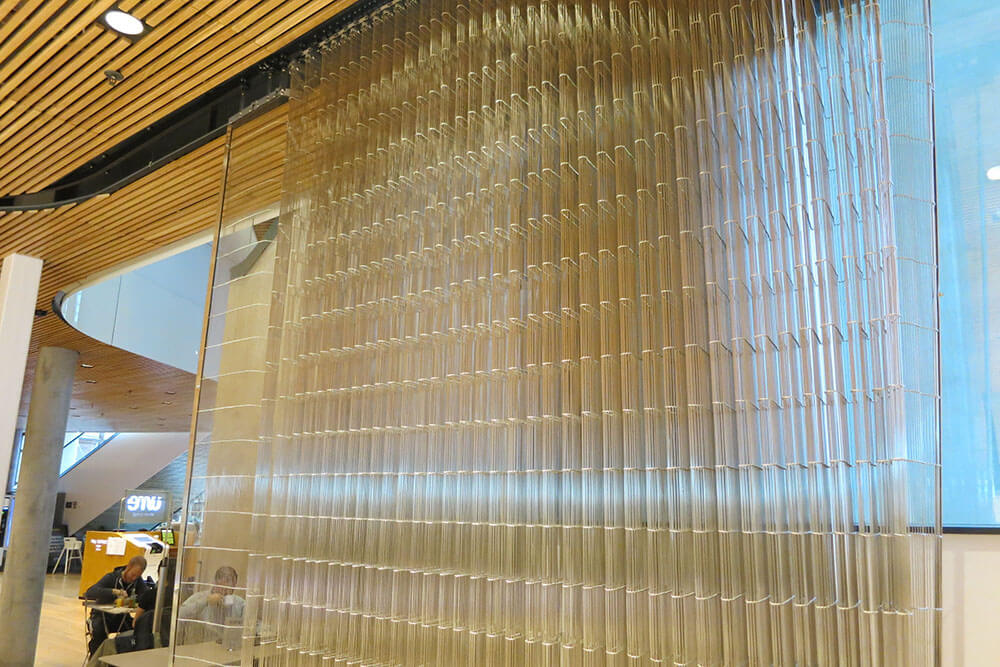
The adaptability of woven drapery makes it ideal for art installations, projection surfaces, and corporate branding walls. Unlike fabric banners or static billboards, woven drapery offers durability, depth, and even interactivity when paired with light or multimedia systems. This creates immersive experiences for exhibitions, retail spaces, and public art projects.
Comprehensive Advantages Over Alternatives
When compared to glass, plaster, or fabric alternatives, Architectural Woven Drapery consistently provides superior durability, lower lifecycle costs, and enhanced design flexibility. While its initial investment may be higher, its minimal maintenance needs and long lifespan result in lower overall costs. In addition, it aligns with sustainability goals through recyclability and energy efficiency.
Architectural Woven Drapery is more than a decorative option—it is a complete architectural system that unites strength, functionality, and artistry. Its ability to adapt across exterior facades, interior spaces, safety features, and artistic installations positions it as an essential material for forward-thinking architecture.
By offering customization in materials, finishes, and weave patterns, along with professional technical support, providers like HIGHTOP ensure that woven drapery meets both design vision and performance requirements. For architects and developers seeking a balance of sustainability, beauty, and practicality, architectural woven drapery stands out as the material of choice for iconic and long-lasting projects.
Please email us via the contact form below, we’ll get back to you as soon as possible.